About Afghan Cities
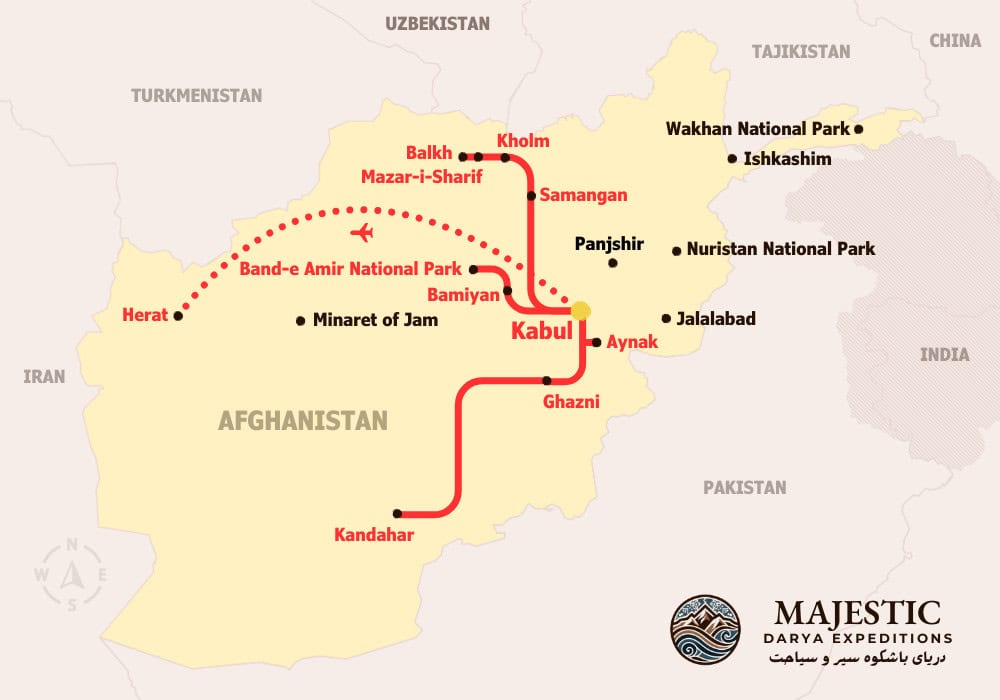
Afghanistan, a landlocked country at the crossroads of Central and South Asia, is home to some of the world's oldest civilizations. Its cities are living witnesses to centuries of history, culture, and traditions, each offering a unique insight into the nation's identity. From the capital Kabul to the historic Herat, Kandahar, Mazar-i-Sharif, Bamyan, and Jalalabad, these urban centers reveal the resilience, creativity, and richness of Afghan culture.
Kabul: The Heart of Afghanistan
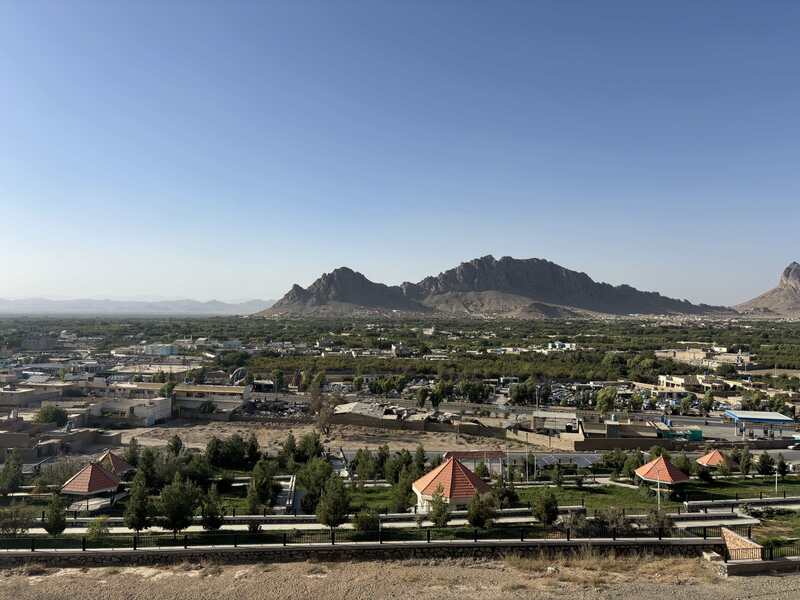
Kabul, the capital city, sits amidst the high mountains of the Hindu Kush and has long been a cultural, political, and economic hub. The city has endured periods of prosperity, conflict, and transformation, yet its spirit continues to thrive. Kabul is a melting pot of ethnicities, languages, and traditions, providing a microcosm of Afghanistan’s diverse culture.
Architecture and Heritage
Kabul’s architecture reflects its rich past, from the serene Gardens of Babur to historic mosques and traditional houses with intricate woodwork. These spaces not only preserve history but also serve as cultural hubs where music, poetry, and literature flourish.
Arts and Traditions
The city is renowned for artisans who produce carpets, pottery, jewelry, and textiles. Traditional music, storytelling, and poetry gatherings, known as *mehfils*, keep Afghan heritage alive, connecting contemporary society to its rich historical roots.
Herat: The Pearl of Khorasan
Herat, located in western Afghanistan, has earned the title “Pearl of Khorasan” for its historic prominence in art, literature, and architecture. Its position on the ancient Silk Road allowed Persian influences to flourish, shaping the city into a hub of creativity and learning.
Monuments and Architecture
Herat’s Friday Mosque, adorned with exquisite blue tiles and calligraphy, exemplifies the city’s architectural sophistication. The citadel and mausoleums, including that of Queen Gawhar Shad, showcase the city’s historical significance and artistic legacy.

Culture and Crafts
Herat’s culture thrives in its bazaars and artisan workshops. Carpet weaving, embroidery, and pottery are preserved by local families, while festivals and poetry recitals reinforce the city’s cultural identity. Traditional music continues to play a vital role in daily life, creating a vibrant cultural tapestry.
Mazar-i-Sharif: Shrine City of the North
Mazar-i-Sharif, known for the iconic Blue Mosque or Shrine of Hazrat Ali, is a spiritual and cultural hub in northern Afghanistan. Pilgrims from across the nation visit the shrine, while the city hosts lively celebrations such as Nowruz, the Persian New Year.
Festivals and Community
During Nowruz, Mazar-i-Sharif transforms into a city of music, dance, and feasting, highlighting Afghan traditions and communal life. The city exemplifies how urban culture and spiritual devotion coexist harmoniously.
Kandahar: Southern Cultural Heart
Kandahar, southern Afghanistan’s key city, is historically the center of the Durrani Empire and an influential trading hub. Its bazaars bustle with spices, textiles, and dried fruits, reflecting centuries of commerce and culinary traditions.
Spiritual and Cultural Life
The Shrine of the Cloak, believed to hold a cloak worn by Prophet Muhammad, highlights the city’s spiritual significance. Kandahar continues to celebrate local festivals, music, and storytelling, keeping traditions alive amidst modern challenges.
Bamyan: Valley of the Gods
Bamyan, in central Afghanistan, is famed for the giant Buddha statues carved into cliffs during the 6th century. Though destroyed in 2001, the valley remains a symbol of Afghanistan’s ancient Buddhist heritage and spiritual diversity.
Heritage and Resilience
Bamyan’s cultural memory survives through folk arts, crafts, and community traditions. The valley, recognized as a UNESCO World Heritage Site, continues to attract scholars, tourists, and cultural enthusiasts, bridging ancient history with contemporary life.

Other Notable Cities
Jalalabad, Ghazni, and Aybak further enrich Afghanistan’s urban landscape. Jalalabad’s fertile plains support agriculture and community life, Ghazni is celebrated for medieval scholarship and Islamic art, and Aybak preserves ancient Buddhist relics. These cities demonstrate the layered history and diversity of Afghan urban culture.

Culture, Crafts, and Daily Life
Afghan cities are alive with daily life — from bustling bazaars to chaikhanas where people gather to drink tea, converse, and share stories. Traditional crafts such as carpet weaving, embroidery, and pottery connect generations and preserve cultural identity. Music, poetry, and festivals continue to define urban life, reflecting the country’s artistic legacy.
Resilience and Modern Challenges
Despite conflict and political instability, Afghan urban communities maintain cultural continuity. Schools, workshops, and restoration projects safeguard heritage. Cities exemplify resilience, balancing modern life with the preservation of centuries-old traditions.
Conclusion
Afghan cities are living testaments to history, art, and culture. From Kabul’s gardens to Herat’s minarets, Mazar-i-Sharif’s festivals to Bamyan’s sacred cliffs, each city tells the story of Afghanistan’s enduring spirit, resilience, and creativity. Exploring these cities offers insights into the country’s rich heritage and vibrant cultural life.


